
Lord Henry's Corrupting Influence
The Picture of Dorian GrayLord Henry Wotton introduces Dorian Gray to a philosophy of hedonism and moral relativism, shaping his descent into decadence.
increasing Bearing strength in each event
 decreasing
Bearing strength in each eventdecreasingThe Garden Conversation
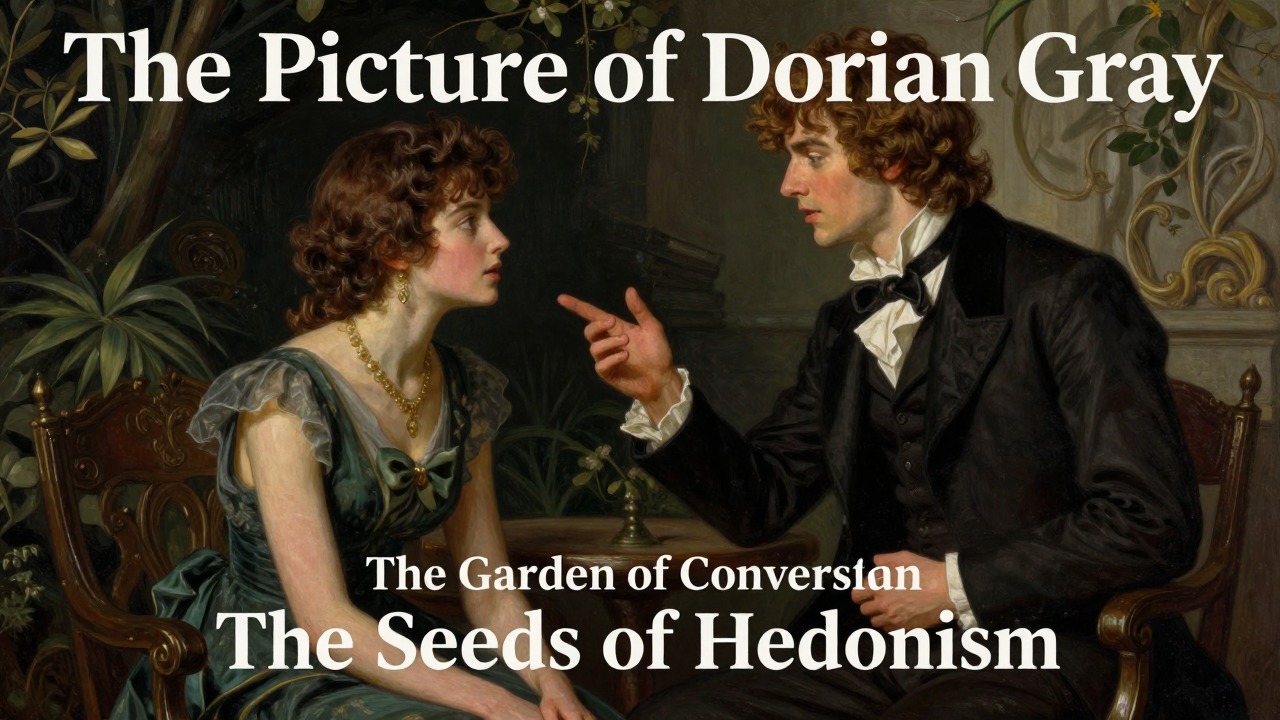
The Garden Conversation
The Seeds of Hedonism
During the first sitting, Lord Henry delivers a captivating monologue on the value of youth, the uselessness of self-denial, and the need to pursue every sensation. Dorian is deeply stirred, feeling that Lord Henry has revealed a new truth about life.
The Poisonous Philosophy
Lord Henry's words are framed as intellectual paradoxes, but they take root in Dorian's impressionable mind. Basil Hallward senses the danger and begs Lord Henry not to influence him, but it is already too late.
The Yellow Book
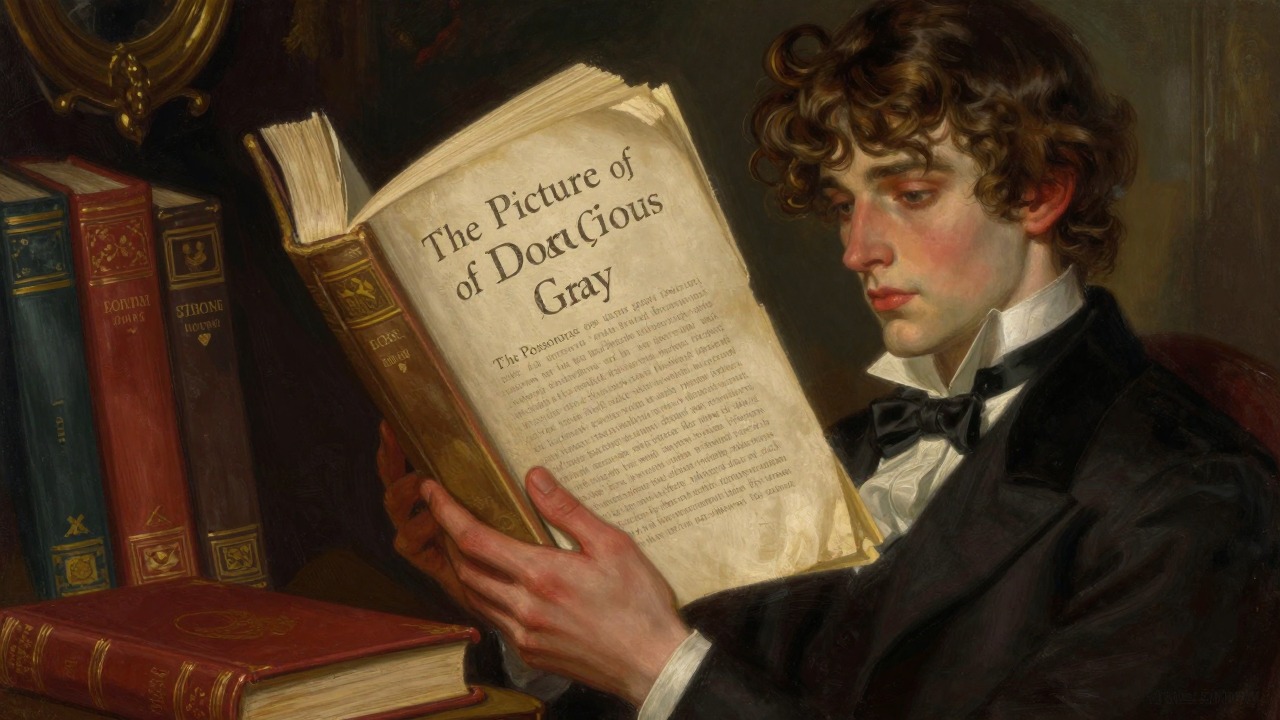
The Yellow Book
The Poisonous Text
Lord Henry sends Dorian a decadent French novel that becomes his bible. The book describes a young Parisian who seeks every experience, ancient and modern, and Dorian sees his own life mirrored in it. He orders multiple copies in different bindings.
The Cult of Experience
Dorian's reading of the novel crystallizes his hedonistic worldview. He begins to pursue art, music, jewels, and perfumes as means of escape and self-gratification, all under the influence of Lord Henry's aestheticism.
The Unread Letter
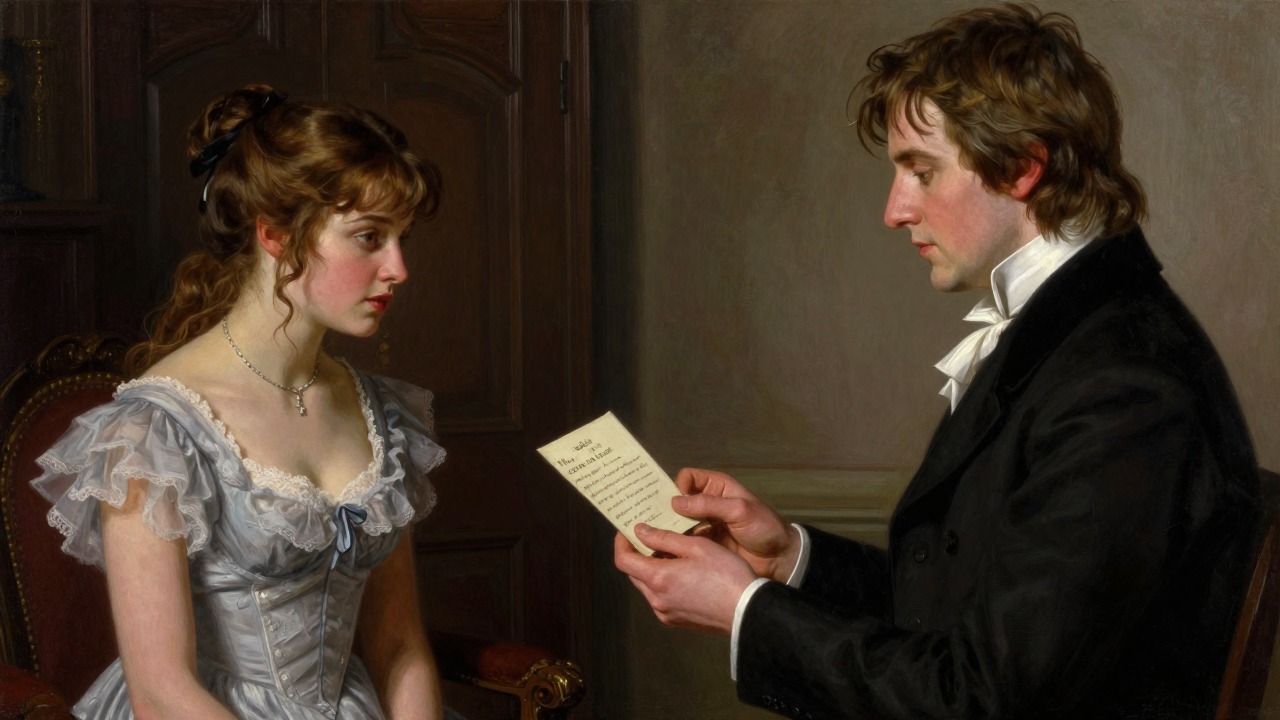
The Unread Letter
The News of Suicide
Lord Henry arrives at Dorian's house with the news of Sibyl Vane's death. He delivers it with cool detachment, treating it as a dramatic event. Dorian, who had been ready to marry her, is instead guided by Lord Henry's rationalization of the tragedy.
The Aesthetic View of Death
Lord Henry convinces Dorian that Sibyl's death has artistic beauty and that Dorian should not feel guilty. This conversation marks a turning point: Dorian abandons his remorse and embraces the role of a spectator of his own life.
The Consistent Friend
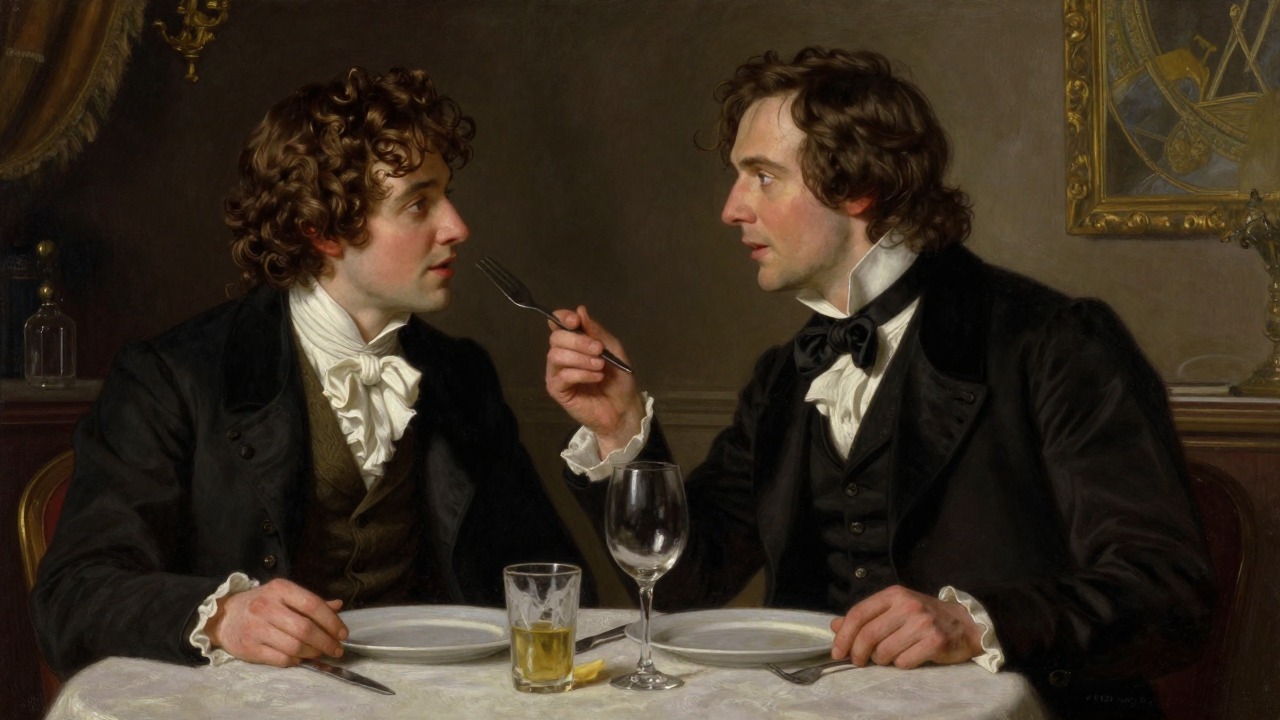
The Consistent Friend
The Unwavering Companion
Despite the rumors surrounding Dorian, Lord Henry remains his closest friend. He continues to dine with him, attend the opera, and exchange witty aphorisms. Lord Henry's loyalty is not moral but intellectual; Dorian is a living experiment.
The Echo of the Mentor
Lord Henry's influence persists even as Dorian commits murder. He provides the psychological framework that allows Dorian to justify his actions. Their friendship is a perverse bond of mutual fascination.
The Final Conversation
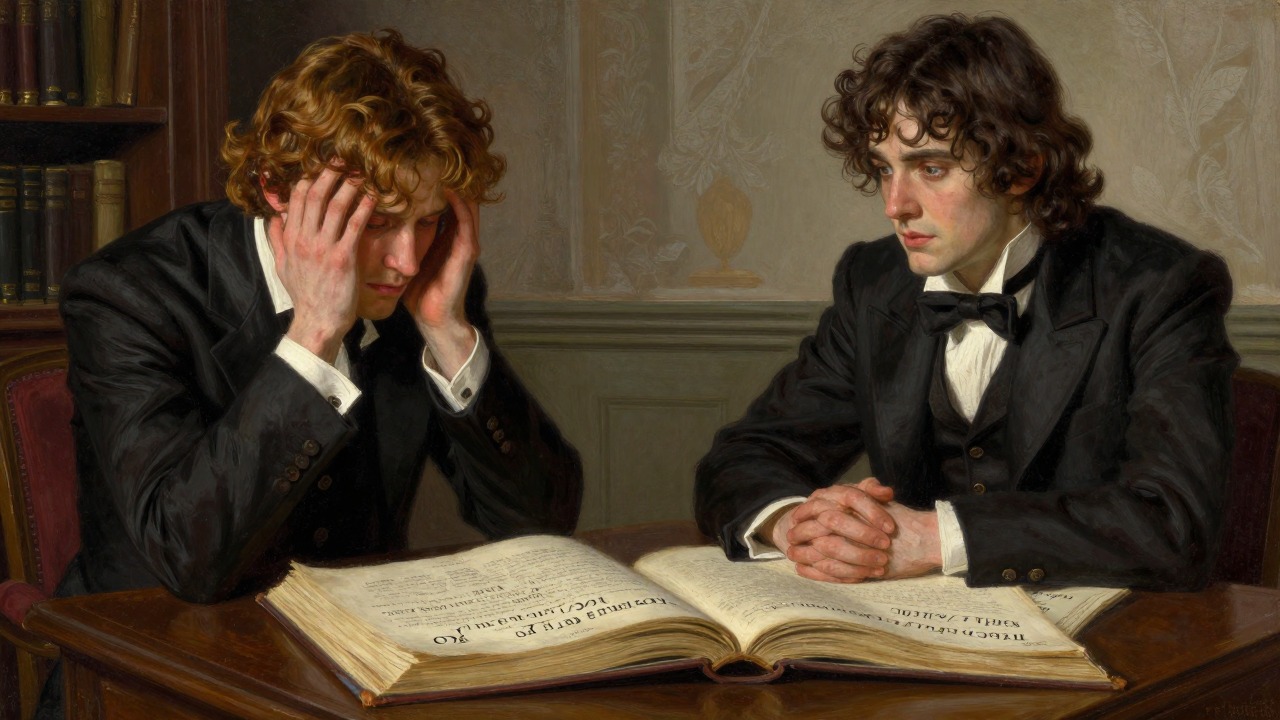
The Final Conversation
The Defense of Hedonism
When Dorian tells Lord Henry of his intention to reform, Lord Henry mocks the idea, arguing that goodness is boring and that Dorian's character is fixed. He urges Dorian not to change.
The Lasting Mark
Dorian leaves the conversation troubled, but Lord Henry's words confirm his deepest fears about his own nature. The influence that began in the garden ends with Dorian's final attempt at self-destruction.
First meeting at Basil's studio, Chapter I
Shortly after Sibyl's death, Chapter VIII
Morning after Sibyl's suicide, Chapter VI
Throughout Dorian's social life, years after Basil's murder
The evening before Dorian's death, Chapter XIII
